
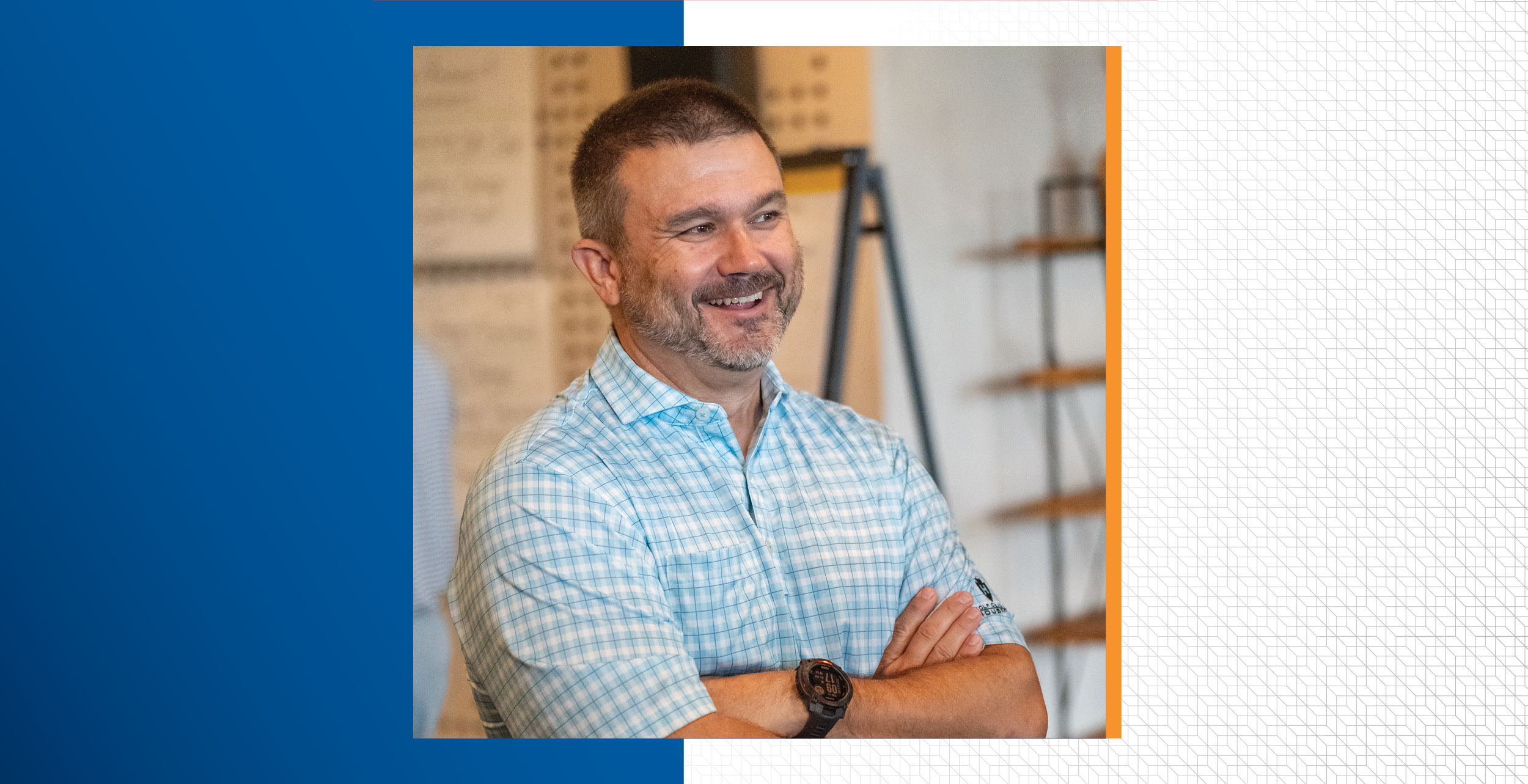
By Mike Franklin, Chief Information Officer, BGE, Inc.
Communities everywhere are experiencing unprecedented change. Population booms, commercial and residential expansion, and rising energy demands are reshaping the built environment. And the volume and velocity of technological advancement underpinning this transformation is unlike anything businesses have seen in human history. For traditional industries forged by concrete, steel, and decades-old processes, this is creating both urgency and opportunity.
In the architecture, engineering, and construction (AEC) sector, companies have incrementally embraced digital transformation and are on the precipice of an asset management revolution.
With aging infrastructure requiring massive upgrades, critical reinforcements, and in some cases a complete overhaul to fit the needs of an evolving modern society, city leaders must think and act fast. Altering the AEC landscape beyond incremental steps to meet the demands of tomorrow will require embracing both a people-first and technology-first mindset; one cannot succeed without the other.
Smarter Asset Management
Asset intelligence is a new way of thinking about the bridge between people and the assets they manage or safeguard. Increasingly, companies must bring all their data and information to bear to efficiently, and rapidly, deliver services to the communities they serve.
Traditional asset management must evolve to speed capital-intensive projects such as infrastructure improvement plans.
In the built environment, asset intelligence helps clients allocate capital better and smarter. Consider water infrastructure in a rapidly expanding city. To get predictive about operations, and create intelligent plans around critical issues like pipe leaks, the city needs to collocate its data in a single source of truth. When teams can visualize how to fund and expedite infrastructure improvements, they make better, faster decisions that directly impact a community’s residents.
Major cities are seeing this play out in real time. In many metropolitan areas and their surrounding communities, infrastructure hasn’t fully caught up with explosive growth.
When public works teams can find the data they need quickly — understanding failure rates, soil conditions, and environmental variables across different regions — they can move fast to fix problems that otherwise could sit idle for years due to inefficiencies and manual processes.
The economics are there. Failures or unplanned maintenance typically cost two to three times as much as repairing an asset ahead of downtime.
For city leaders, asset intelligence is about harmonizing all the data you collect through disparate systems, then using those insights to make a real difference in protecting community assets and resources.
Building Bridges
Here’s the problem, though. There are signals everywhere, and many of an organization’s systems simply don’t talk to each other. Data is trapped in silos. Teams are working in isolation.
Those of us who build technology solutions know this because we see how every group within an organization operates. The connective tissue between operations, technical teams, and business analysts doesn’t exist unless you’re intentional about creating and implementing solutions that bridge the gaps.
This is where asset intelligence delivers transformational value. It pulls various project datasets together and correlates them in ways that make sense. It recognizes patterns of failure. It helps organizations leverage advanced systems and tools, many that have been around for over a decade, in the best way possible.
From inception to asset management, it’s about creating the highest fidelity model possible and not getting stuck in a pilot phase that never really takes off due to lack of trust and understanding.
Technology for Good
Traditional civil engineering firms like BGE, Inc. are navigating this transition deliberately, by applying core values such as integrity, commitment, respect, and excellent reputation.
Getting the right alignment across your organization is critical. The key to making technology work long-term is ensuring everyone understands the “why” and their specific role in the change, from the CEO to every person down the line.
Adopt peer-to-peer storytelling and a people-first approach before making the leap to what some companies are now calling AI-first. Engineers learn best from their peers. Having that influence and trust factor — and keeping people in the loop — is essential for successful technology implementation.
Strong change management matters. You need top-down leadership and bottom-up influence to really affect change. And communication is key. Use a peer-reviewed playbook to manage through massive organizational change.
Without it, transformation is often met with resistance. If organizations don’t have the people and process parts of the three-legged stool in check, they’ll never get the third leg, technology, well implemented.
Modernizing for Resilience
In Central Texas, where technology hubs are emerging, BGE is putting these practices to the test. We’re applying modern tech like virtual reality and digital twin to support major capital improvement projects for transportation, such as Austin’s $4.5-billion I-35 Capital Expressway Project, as well as for flood control and infrastructure resiliency.
With an asset intelligence approach, engineers catch issues that might otherwise be missed in 2D plans by examining them closely in 3D models and virtual design reviews. While some might resist adopting smart tools in lieu of how they’ve always reviewed plans, organizations are reaping the reward of improved workflows and faster time to value.
That’s how we’ll build more resilient cities. Today’s city leaders must make use of all their data to assess and maintain what will be needed to keep pace with continued growth and also conserve some of our most essential resources like groundwater.
What that looks like is designing technology solutions for end users by embedding yourself in the unique problems and operational challenges of tomorrow.
Asset intelligence is about making better, faster decisions when you recognize patterns that help you predict and prevent failure. When we turn over high-fidelity models to clients, they can flow them into their own asset intelligence and leverage powerful data insights to maintain critical assets throughout their lifecycle.
Mike Franklin
CIO, BGE, Inc.
What’s Next for 2026
IT leaders like me are transitioning from not only leading technology strategies but also leading business strategies that unlock value for the entire organization. It’s a complex place to be.
As we enter a new year of fast-paced digital transformation, asset intelligence will help industries engineer a brighter, better future for our communities.
For the AEC sector, that means revolutionizing transportation, infrastructure, and land-site developments, as well as reinforcing such vital assets as public utilities, bridges, and roadways which communities depend on every day. Organizations staying ahead of these tech trends are engineering the future.
About BGE, Inc.
For 50 years, BGE, Inc. has served public and private clients as a full-service, multidiscipline engineering consulting firm with integrated capabilities. BGE delivers a broad range of advisory services, technical expertise and innovative, sustainable solutions to support local, regional and national communities as they shape the future of infrastructure. Backed by five decades of civil engineering leadership, BGE partners with clients across the Southeast and beyond to solve complex infrastructure challenges. Explore our consulting services and solutions: https://www.bgeinc.com/