Taking the Reins After 32 Years, Being a Servant Leader and How Resilience is Built on Client Relations
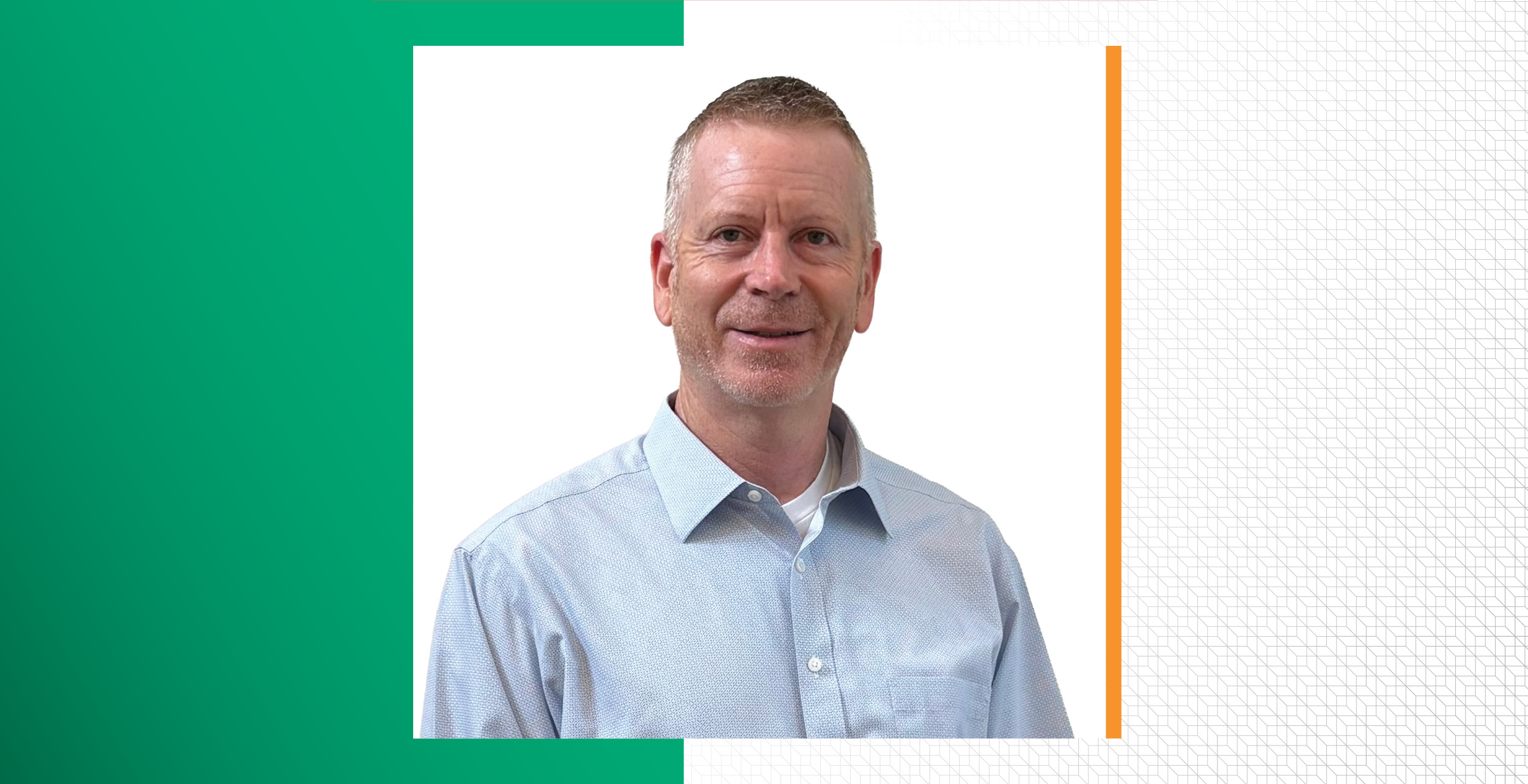
Randy Randermann, PE
President and CEO, BGE, Inc.
Randy Randermann has spent more than three decades helping shape the built environment across Texas and the Southeast. A Texas native and Texas A&M University graduate, eagle scout, and self-described “ranch hand” at his family’s farm in Fulshear, Randy now leads BGE, Inc. as president and CEO. We sat down with Randy to talk about where BGE has been, where it’s headed after 50 years of serving, leading, and solving, and why relationships and our great people will always be the firm’s competitive edge.
BGE celebrated its 50th anniversary in 2025. You joined the firm 32 years ago. Take us back to the beginning.
I came aboard in April 1994 after spending a little over 4 years at a small startup site development firm in Dallas as their sixth employee. After our daughter was born, we made the decision to move closer to our families and targeted Houston. When I arrived at Brown & Gay, now BGE, after interviewing with Pat Brown and Dick Gay, I was fortunate to become employee number 26.
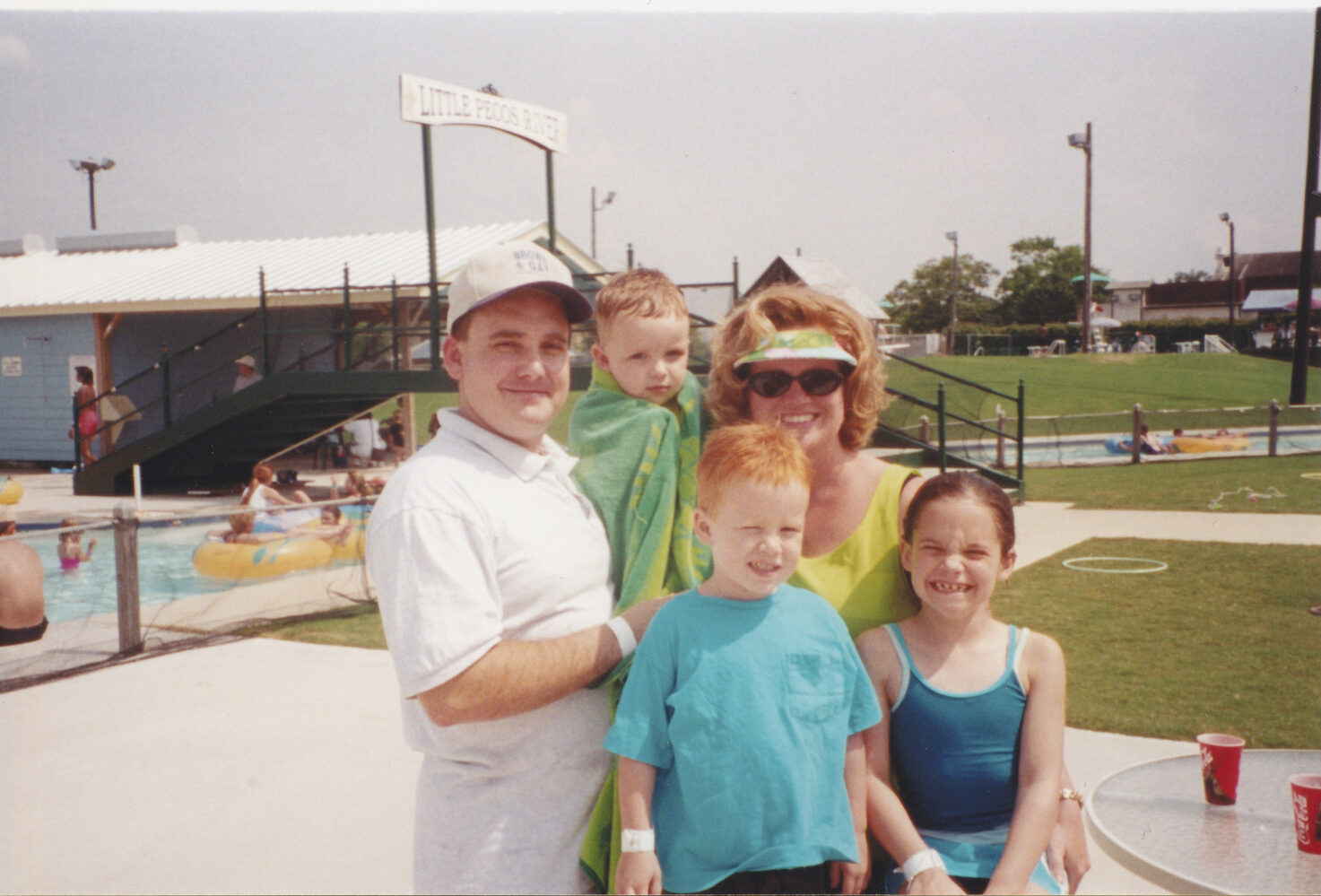
Rodney Heisch and I were the only two project managers in land development at the time, involved in engineering for master planned communities and municipal utility districts. We shared an office, with our desks facing each other in the center of the room and only one telephone between us. Times were much different back then, but that kind of closeness taught me the value of collaboration and just rolling up your sleeves to do whatever needed to be done. That’s part of the DNA here.
The architecture, engineering, and construction industry has transformed dramatically in those decades. What stands out most?
Technology, without question. When I started, we had blueprint machines, pagers, and fax machines. Now the pace of technological change is exponential, and our challenge is staying on the forefront and leveraging it to our advantage.
But the other shift I’ve seen is how much more collaboration there is among engineering firms, contractors, and every stakeholder on a project. The speed of today’s work demands it. That said, at its core, this is still a relationship-driven business. The tools change, but the human connections behind every project matter more than ever.
BGE puts relationships at the center of everything. How does that play out day to day?
Everything revolves around relationships, whether that’s internally with our people, externally with our clients, and across the agencies that review our plans. And by virtue of having strong relationships, you get strong communication and trust which are of the utmost importance. One of our core values is integrity, and we define it as the foundation of all meaningful relationships. That extends to clients, business partners, community leaders, regulatory agencies—really, everyone.
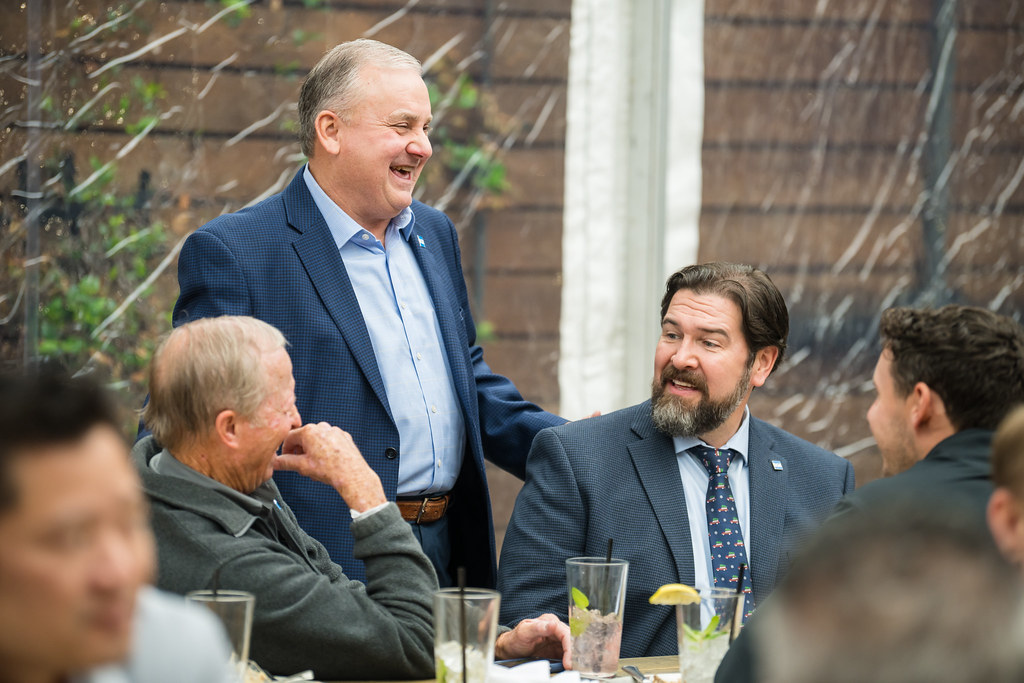
Early in my career, Pat Brown told me something I’ve never forgotten. As engineers, we tend to obsess over producing the perfect set of plans. He said they don’t need to be perfect; they need to be good enough but accurate, so that a contractor can understand and build from them. We pride ourselves on having a quality product. But at the same time, we must keep projects moving and get plans out the door. The magic happens when you can leverage great relationships and communication.
It really comes down to understanding what clients want and need, not what we think they want and need. When your team has a genuine relationship with a client, they listen differently. They pick up on priorities that don’t always make it into a formal scope of work, and that’s how you deliver something that truly serves the client.
What projects are you most proud of that illustrate the BGE Way, servant leadership that connects values to action?
A few come to mind. One of my first major projects at Brown & Gay was a thousand-plus-acre land development for Kickerillo Companies, who has now been a client of the firm for nearly 50 years—one of the very first clients when the doors opened in 1975. Being entrusted with that relationship early on had a lot of sentimental value for me. I learned not just from our founders but from Mr. Kickerillo himself and his team. Understanding the developer and homebuilder perspective, what matters most to them so we can produce the best product possible, made me a better engineer and a better client partner.
Then there’s Texas Heritage Parkway, a six-mile stretch of road between FM 1093 and I-10 that was a true public-private partnership. This was the brainchild of Kerry Gilbert, who asked us to team with him on this endeavor. It took more than 12 years just to get the project agreed to and set in motion because multiple property owners had to get on board and agree to dedicate the necessary right of way and pay half of the construction costs. Plus, Fort Bend County, Waller County and the cities of Fulshear and Katy had to agree to fund the other half of the construction costs. That kind of project, creating from nothing, doesn’t happen without longstanding, patient relationships at every level. Seeing it come to fruition after such a long road was one of the most rewarding moments of my career.
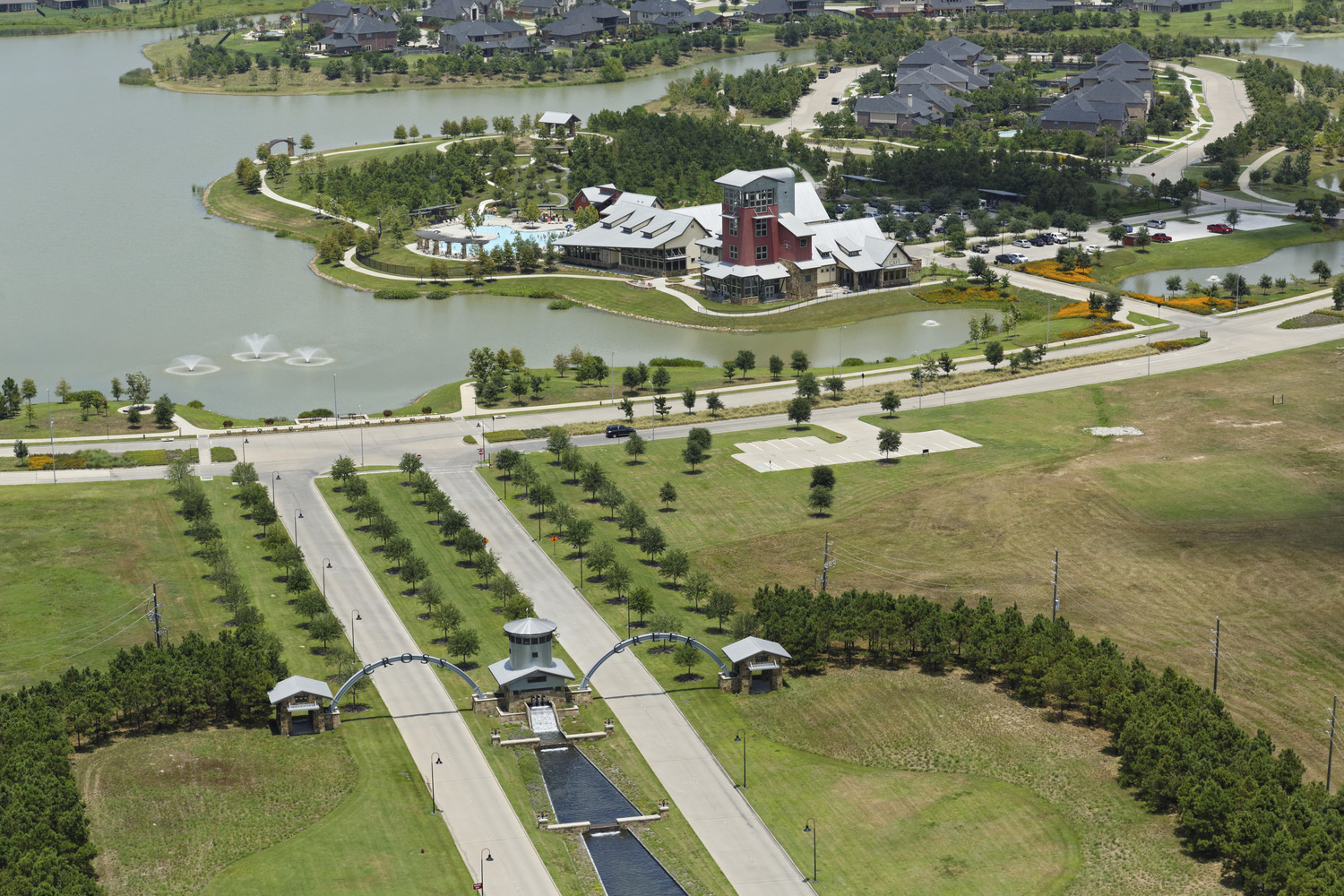
Another significant project that was started nearly 20 years ago is Cross Creek Ranch, a 3,000-acre community in Fulshear that we engineered from inception. We earned that opportunity because of our team’s performance on a prior project. The developer was working with another firm and wasn’t happy with the service. Because we delivered on the smaller engagement, we were trusted with something much bigger. That was the lesson in leadership for me: trusted relationships lead to better performance, our best performance deepens trust, and that trust opens the next door.
You led BGE’s expansion into the Southeast. How did relationships shape that strategy?
It was probably the biggest risk we’ve taken in the last decade. We made a deliberate choice to grow organically rather than through acquisition.
We wanted to find pioneers, people in those markets who already had strong client relationships, but who were also a genuine cultural fit for BGE, to take us forward and help us build from the ground up. That vetting process took longer, but it was worth it. We opened nine offices in the Southeast in four states, and our goal is to have half of our employees based outside of Texas within the next 10 years.
Culture means a great deal to you. How do you protect it while scaling?
We consider ourselves a living company, as opposed to an economic one. We’re not driven solely by metrics or shareholder returns. Our core values of integrity, commitment, respect, and excellent reputation guide us every day. We exist to continue the legacy that BGE’s founders built, to leave this company better than we found it and pass it on to the next generation.
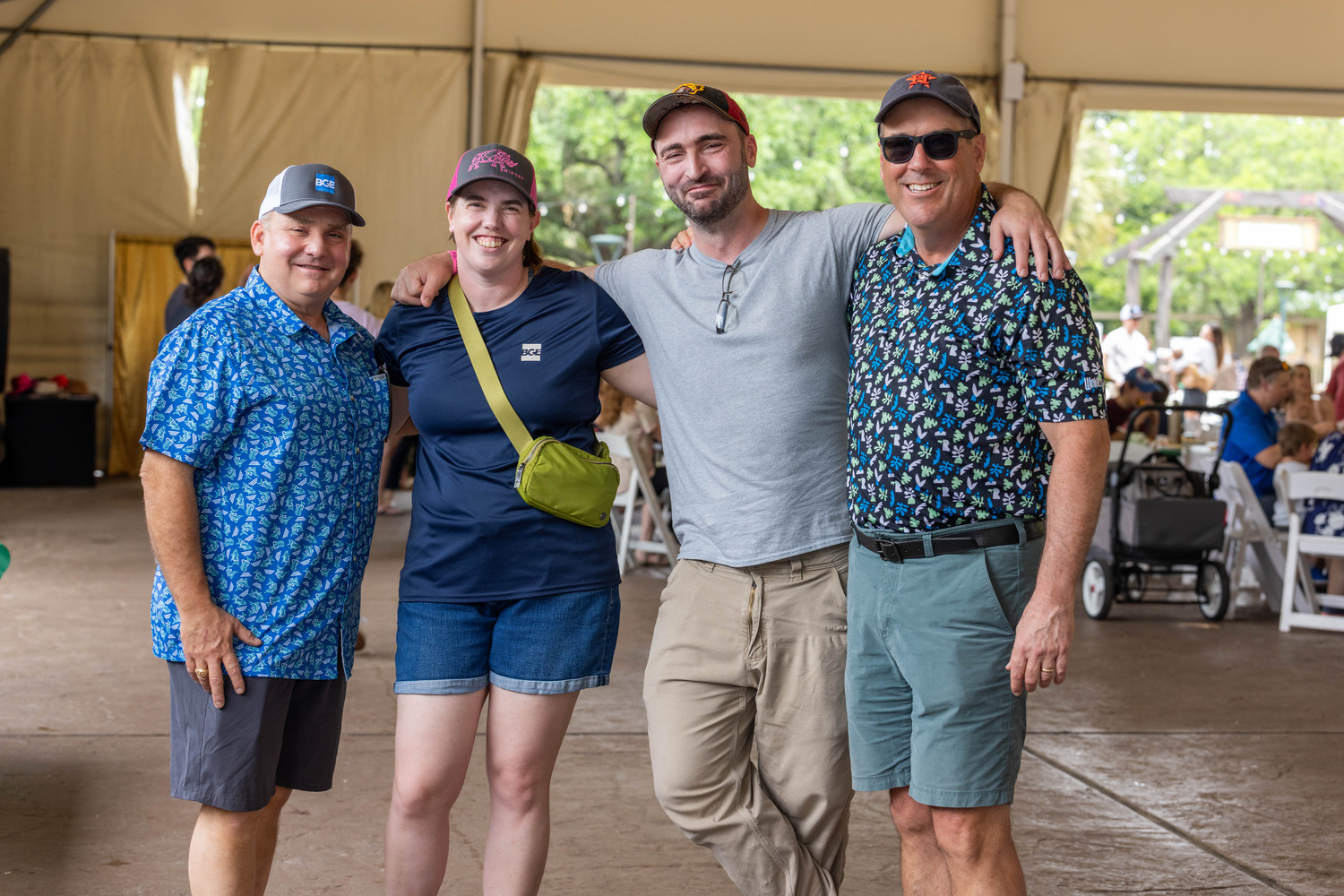
And we are not for sale. We want to control our own destiny, and that’s increasingly rare in today’s business landscape. Because BGE is employee-owned, thinking as a team and putting the needs of others first comes naturally. That independence gives us a real recruiting advantage: people who’ve experienced a culture shift after an acquisition often find that what we offer—stability, shared purpose, profit-sharing—is genuinely appealing.
How would you describe your leadership philosophy?
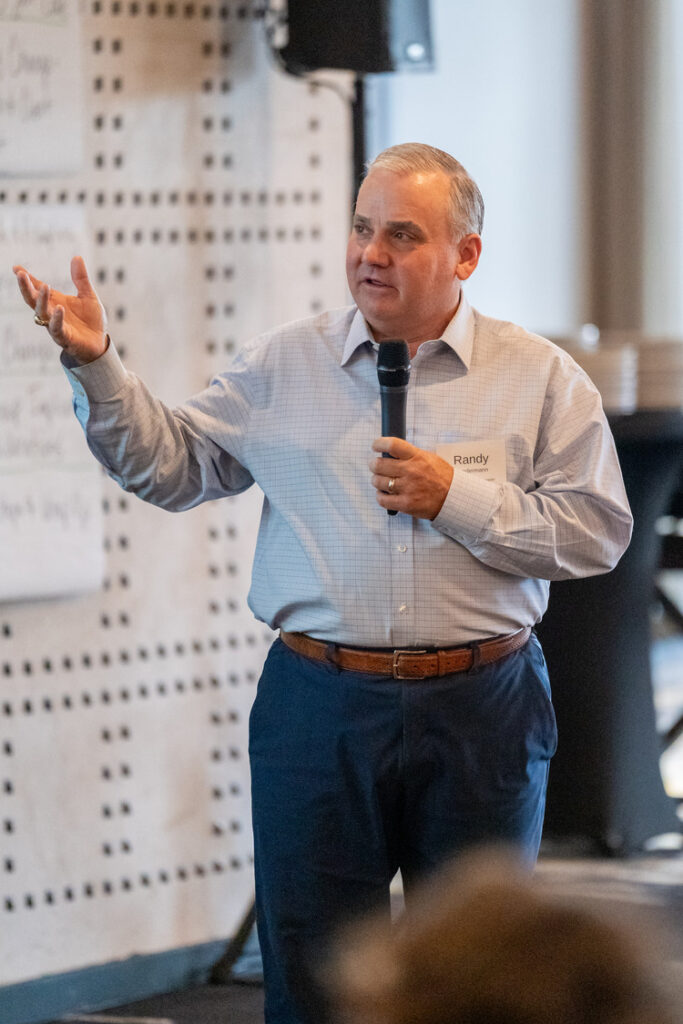
Servant leadership. On our best days, we are supporting one another. If we help each individual be successful, the company will be successful. We don’t grow for the sake of growth; we grow to create opportunity for our people.
How are you preparing BGE for the next generation?
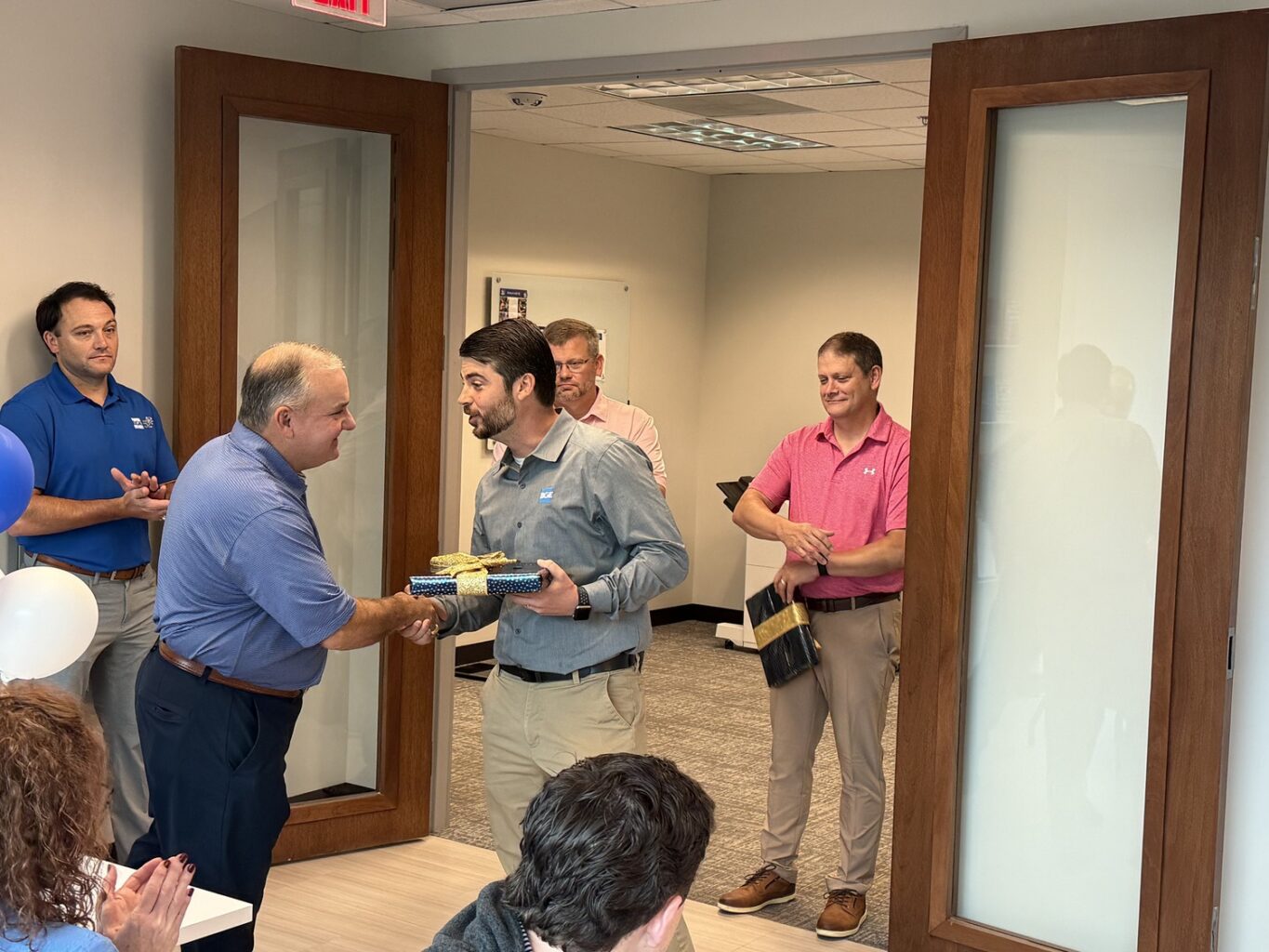
That’s one of my top priorities as CEO. We’re building a more distributed leadership model and standing up new teams to help move our business forward: for example, a strategy team to help us look around corners, a transformation team to manage technology and change implementation, and a client relations team to strengthen the relationships that win and retain work. My job is to make sure the next generation of leaders is equipped and prepared to take the reins when myself and the other old timers ride off into the sunset.
What’s one thing people might be surprised to learn about how infrastructure actually gets built?
The sheer amount of coordination behind even the most basic project. We try to be a one-stop shop for survey, environmental, transportation, structural, and construction management and coordinating all those efforts internally, plus across the various external agencies, utilities, cities, and counties involved. It’s a massive effort. People think you just go out and build a road or a parking lot. There’s a lot of blood, sweat, and tears behind the scenes that nobody sees.
How does BGE define innovation?
Innovation doesn’t always mean something flashy or new for the sake of being new. For BGE, innovation means finding better ways to serve our clients by improving processes and supporting our people. That also includes embracing emerging technologies such as artificial intelligence (AI) where they add value and being willing to rethink how we work and collaborate to deliver products. Innovation is tied to our purpose in delivering better outcomes for clients.
Last question, and this one’s from a colleague. Your horse is an Olympian?
(Laughs) My wife and her trainer/rider (Boyd Martin) get all the credit there. But yes, we have a horse that competed on the US Olympic team in Paris, France. Getting to experience that firsthand on the grounds of the Palace of Versailles was incredible. It was on my wife’s bucket list to have a horse make the Olylmpic Team, and it’s one of those almost-impossible things. To top it off, our horse and rider placed highest individually for Team USA with a top 10 finish.
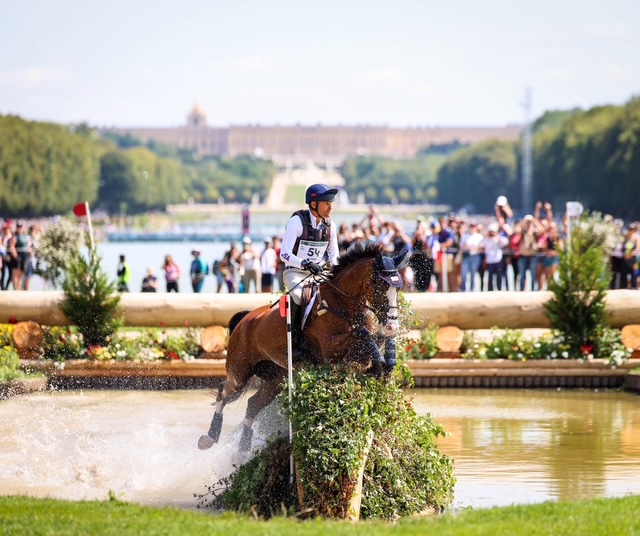
Eric Hampton, one of the BGE partners who helped build out the Southeast, still gives me a hard time because the moment we found out her horse was going to the Olympics, I started saying “our horse.”
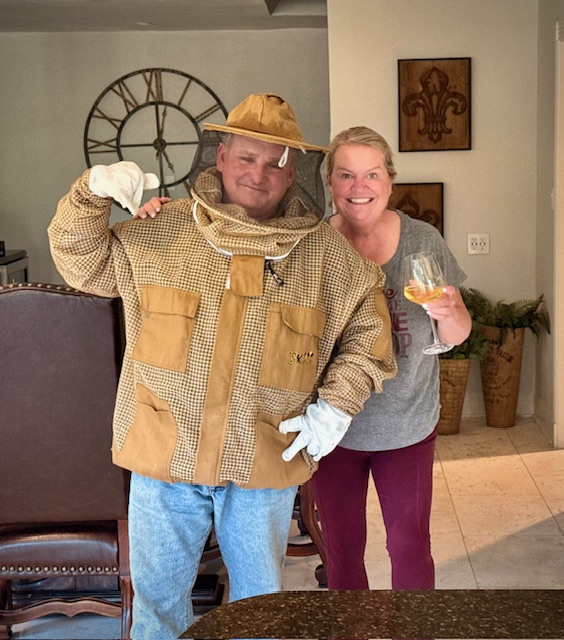
My actual role is being a ranch hand on our farm: if something’s broken, I get to fix it. We also have chickens for the eggs, harvest pecans from 20 or so pecan trees, we have had bees in the past for the honey, and we’re currently enhancing the habitat on the farm to draw in native songbirds. I grew up in Brenham, Texas, so I guess those country roots run deep.
About BGE, Inc.
For 50 years, BGE, Inc. has served public and private clients as a full-service, multidiscipline engineering consulting firm with integrated capabilities. BGE delivers a broad range of advisory services, technical expertise, and innovative, sustainable solutions to support local, regional, and national communities as they shape the future of infrastructure. Backed by five decades of civil engineering leadership, BGE helps client partners solve their most critical challenges. For more information,https://www.bgeinc.com/